Darknet Markets 2026:
The dark web is part of the deep web but is built on darknets: overlay networks that sit on the internet but which can't be accessed without special tools or software like Tor. Tor is an anonymizing software tool that stands for The Onion Router — you can use the Tor network via Tor Browser.
| Darknet Market | Established | Total Listings | Link |
|---|---|---|---|
| TorZon Market | 2022 | 140+ | Onion Link |
| Nexus Market | 2024 | 600+ | Onion Link |
| Abacus Market | 2022 | 100+ | Onion Link |
| Ares | 2026 | 100+ | Onion Link |
| Cocorico | 2023 | 110+ | Onion Link |
Updated 2026-10-26
How to find good darknet links for safe drug shopping
Finding a reliable darknet market is the first step toward secure transactions. Users identify stable platforms through community forums and review sites, where active discussion and market longevity are primary indicators of trust. A market that has operated consistently without exit scams or frequent downtime provides a foundation for safe commerce.
The architecture of these platforms supports security. Transactions are conducted using cryptocurrencies like Bitcoin or Monero, which provide pseudonymous payment channels. The integration of escrow services and mandatory vendor bonds creates a self-regulating economic system that discourages fraud. Buyers consistently favor markets that enforce these financial safeguards.
Vendor reputation systems are central to reliability. Each seller maintains a public profile with:
- Detailed transaction history
- Customer feedback scores
- Shipping and product quality metrics
This transparent feedback loop allows buyers to make informed decisions, directly linking vendor accountability to successful purchases. The standardized user interface across major darknets further reduces risk by creating familiar workflows for navigation, order placement, and encrypted communication, ensuring a predictable and secure trading environment.
How Darknet Links Open Doors to Easy Shopping
Accessing a darknet market begins with a specialized link, which functions as a direct gateway to a commercial ecosystem. These are not standard web addresses but .onion URLs that require the Tor browser to resolve, establishing a private connection to the market's servers. This initial step is fundamental, as the link itself is a component of the platform's security architecture, ensuring that both the market's location and the user's access remain concealed from general internet traffic.
Upon entry, the user encounters a structured digital marketplace. The interface typically mirrors that of conventional e-commerce sites, featuring product categories, vendor storefronts, shopping carts, and escrow systems. This standardization is intentional, reducing the learning curve and fostering an environment where commerce can proceed efficiently. The primary mechanism for transaction security is the multisignature escrow system. Here, cryptocurrency payments are held in a secure third-party account until the buyer confirms satisfactory receipt of goods, thereby mitigating the risk of fraud by either party.
The entire economic cycle is facilitated by cryptocurrency, with Monero (XMR) and Bitcoin (BTC) being the predominant currencies. Their use provides a layer of financial privacy and simplifies cross-border transactions without the involvement of traditional banking institutions. Payments are executed directly between wallets, with the transaction details recorded on the respective blockchain, while the identities of the parties involved remain pseudonymous.
Reliability in this environment is built through transparent reputation systems. Each vendor maintains a public profile displaying metrics such as transaction count, positive feedback percentage, and detailed user reviews. A consistent history of successful transactions and high ratings is a strong indicator of a vendor's credibility. Furthermore, stable markets maintain active forums and resolution centers, which contribute to a self-regulating community where trust is continuously audited by its participants. This combination of technological infrastructure and community feedback creates a functional framework for secure commerce.
A Wide Selection of Pharmaceuticals on the Darknet
The inventory on established darknet markets is vast and specialized, directly reflecting user demand. Beyond digital goods and services, a significant portion of commerce is dedicated to pharmaceuticals and controlled substances. These items are listed with detailed descriptions, purity levels, and quantities, mirroring the catalog structure of conventional e-commerce platforms.
This variety serves a clear purpose. It provides consumers with access to products that may be restricted, unaffordable, or stigmatized in their local regions. The availability of everything from prescription medications to recreational drugs fulfills a market need for discretion and alternative sourcing. The competitive environment between vendors on a single platform encourages quality control and accurate product representation to maintain positive feedback.
The system is built on a foundation of cryptocurrency payments and end-to-end encryption. Transactions use Bitcoin or Monero, providing a layer of financial privacy. All communications, from order placement to shipping details, are encrypted, separating transactional data from personal identity.
Successful procurement relies on engaging with the platform's built-in reputation mechanisms. Users must:
- Analyze a vendor's transaction history and customer feedback scores.
- Read detailed reviews regarding product quality and shipping reliability.
- Prefer vendors who use escrow services, where funds are only released after order confirmation.
This ecosystem creates a self-regulating environment. Market administrators enforce rules to minimize scams, as their revenue depends on successful trade volume. A stable market with consistent uptime and a standardized user interface further reduces operational friction, making the process predictable and focused on the exchange of goods.

Easy and Private Payments with Crypto on the Darknet
The financial architecture of a darknet market is fundamentally built upon cryptocurrency, primarily Monero (XMR) and Bitcoin (BTC). These currencies provide a necessary layer of financial abstraction, separating transactional data from personal identity. The process is streamlined: a user funds a market wallet, which acts as an intermediary escrow, and the vendor receives payment only after the buyer confirms satisfactory delivery. This escrow system is a core trust mechanism.
Security in payment extends beyond anonymity to transactional integrity. Cryptocurrencies operate on decentralized ledgers, making unilateral transaction reversal by any single party, including the market administrators, practically impossible. This immutability protects both vendor and buyer from fraudulent chargebacks. For enhanced privacy, Monero is increasingly favored over Bitcoin due to its opaque blockchain, which obscures transaction amounts and participant addresses by default, whereas Bitcoin requires additional steps like using a mixer.
The simplicity of the payment flow is deliberate:
- Select items and proceed to checkout.
- Receive a unique cryptocurrency deposit address.
- Transfer the exact amount from a private wallet.
- Await vendor shipment as funds are held in escrow.
How Encryption Makes Buying on the Darknet Safe
Encryption is the fundamental mechanism that enables private commerce on darknet markets. It functions as an unbreakable seal for all communications, ensuring that conversations between buyers and vendors, as well as transaction details, remain confidential. This privacy is achieved through the use of public-key cryptography and end-to-end encrypted messaging systems built into the market platforms.
When a user sends a message or submits an order, the data is scrambled using a complex algorithm and a unique key. Only the intended recipient, who possesses the corresponding private key, can decrypt and read the information. This process effectively makes intercepted communications useless to any third party. For secure transactions, this means that sensitive details like delivery addresses are shared only between the two parties involved, with the market itself often acting merely as a facilitator without access to the plaintext data.
The practical application involves several layers:
- All connections to the market are secured with Transport Layer Security (TLS), similar to standard e-commerce sites, which protects the initial login and browsing activity.
- Internal messaging uses stronger, PGP-based encryption, where users manually encrypt their address with the vendor's public key before sending it.
- Financial privacy is maintained separately through cryptocurrency transactions on their respective blockchains, which are cryptographically secure but public; thus, the link between transaction and identity is broken by using new addresses for each trade.
This multi-layered encrypted environment directly supports safe purchasing by creating a trusted space for negotiation and exchange. It allows vendors to build reputations based on reliable service and product quality, while giving buyers the confidence to participate. The stability and standardization of user experience on modern darknet platforms are predicated on this universal and robust implementation of encryption, which has become a non-negotiable expectation for all participants.
How a steady darknet makes trading drugs smoother
Market stability is the foundation for reliable commerce on the darknet. A platform that operates consistently over time develops a self-reinforcing ecosystem. Users gain confidence to deposit cryptocurrency, knowing the market will likely honor withdrawals and facilitate transactions without sudden disruption. This longevity allows for the accumulation of verifiable data on vendor performance.
Stable markets implement and refine systems for escrow services and finalize early options, balancing buyer and seller security. They maintain functional feedback and rating systems, where a vendor's history of successful deliveries and product quality is transparently recorded. This creates a competitive environment where reputable vendors are rewarded with more business, directly linking their commercial success to honest trading practices.
The technical infrastructure of a stable market also enhances security. Administrators can focus on improving encryption protocols and mitigating denial-of-service attacks, rather than merely keeping the site online. This results in more secure communication channels and reliable access for users conducting transactions. Consequently, a stable darknet market reduces operational risk, making the process of acquiring goods and completing secure crypto payments predictable and efficient.
How Vendor Reputation Makes Darnet Shopping Safer
A vendor's reputation is the primary metric for assessing transaction risk on a darknet market. It functions as a crowdsourced trust mechanism, built from historical buyer feedback. Before committing funds, a buyer must analyze the vendor's profile page, which contains quantifiable data points.
The analysis should focus on several key indicators:
- The total number of completed transactions and the vendor's tenure on the platform.
- The detailed feedback score, typically a percentage above 95, and the volume of ratings.
- The content of individual buyer reviews, which often comment on product quality, stealth of packaging, and communication speed.
- The status of the vendor's escrow account, which holds buyer funds until order completion, and their policy on finalizing orders early.
Markets with robust review systems prevent vendor fraud by making negative feedback permanently visible. A vendor with a long history and thousands of positive reviews has a significant economic incentive to maintain honest operations, as their reputation represents substantial capital. This system creates a self-regulating environment where reliable vendors thrive, and new vendors must prove themselves through smaller transactions. Consequently, engaging only with highly reputed vendors is the most effective strategy for securing successful purchases and ensuring that cryptocurrency payments yield the expected goods.
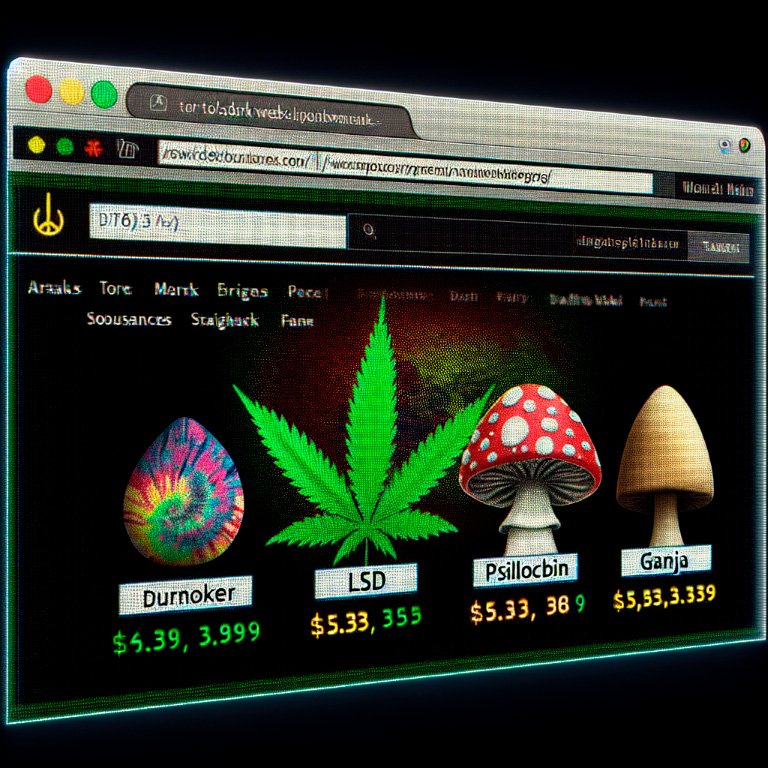
How Standard Design Makes Darknet Drug Shopping Safe and Easy
The standardized user experience across major darknet markets is a direct response to user demand for reliability and safety. This consistency allows new users to navigate different platforms with familiar ease, reducing operational errors that could compromise security. The interface typically mirrors that of mainstream e-commerce sites, featuring a searchable product catalog, vendor storefronts, and a shopping cart system.
This design philosophy extends to the transaction process. A standardized escrow system is central, where the buyer's cryptocurrency is held by the market until the product is received and confirmed. This mechanism protects both parties and builds essential trust. Vendor profiles display consistent metrics: a public feedback score, detailed transaction history, and buyer reviews. This transparent reputation system is the primary tool for assessing vendor reliability before any purchase.
Communication is funneled through encrypted internal messaging, keeping all negotiations and shipping details within the platform's secure environment. The checkout process is uniformly straightforward, generating a unique cryptocurrency address for each order. This standardization in payment flow minimizes mistakes in crypto transfers, a critical aspect of secure financial transactions. The overall effect is a streamlined, predictable environment where the focus remains on commerce, supported by integrated tools for discretion and verification.