Darknet Markets 2026:
The dark web is part of the deep web but is built on darknets: overlay networks that sit on the internet but which can't be accessed without special tools or software like Tor. Tor is an anonymizing software tool that stands for The Onion Router — you can use the Tor network via Tor Browser.
| Darknet Market | Established | Total Listings | Link |
|---|---|---|---|
| TorZon Market | 2022 | 140+ | Onion Link |
| Nexus Market | 2024 | 600+ | Onion Link |
| Abacus Market | 2022 | 100+ | Onion Link |
| Ares | 2026 | 100+ | Onion Link |
| Cocorico | 2023 | 110+ | Onion Link |
Updated 2026-10-26
Easy Ways to Find Fresh Darknet Links for Shopping
Accessing a darknet market requires a current onion URL, as these addresses change frequently for operational security. The primary method for finding fresh links is through specialized darknet forums and link repositories. These platforms function as community hubs where users verify and share updated URLs. A market's presence on multiple reputable forums with consistent links is a strong indicator of its legitimacy.
For a smooth shopping experience, relying on these aggregated sources is more effective than searching independently. Trust is built through user reviews and verification. Before using a new link, it is standard practice to check recent forum posts discussing that specific market. Comments confirming the site's functionality and, crucially, the consistency of its escrow system and vendor feedback are essential. A stable market will have a continuous history of positive reviews across different user tiers.
The ecosystem is designed for resilience. When a primary URL becomes inaccessible, alternative mirrors are promptly disseminated through these same channels. The process is straightforward:
- Navigate to a trusted forum or verified link directory.
- Locate the dedicated thread for the target market.
- Cross-reference the provided URLs with posts from established members.
- Use the link to access the market and verify the PGP-signed welcome message.
This cycle of community-driven verification ensures that participants can reliably connect to active platforms. The consistency of product listings, vendor reputations, and the escrow system across these updated links confirms a site's stability, directly contributing to a secure and efficient trading environment.
How Forums Keep Your Darknet Shopping Running Smoothly
Forums and specialized link sites are the primary infrastructure for maintaining access to darknet markets. When a market's primary URL becomes inaccessible, these platforms provide the updated mirrors and fresh links necessary for continuous operation. This system relies on real-time user contributions, where members post and verify new addresses, creating a decentralized and resilient repository of access points.
The process is straightforward. A user discovers a new, functional URL for a popular market and shares it on a trusted forum. Other members then test the link, confirming its validity and reporting on the site's stability. This collective verification is crucial, as it filters out phishing attempts and malicious mirrors. The most reliable forums often feature structured sections or pinned threads dedicated to these updates, which may include:
- Verified mirror lists for major markets
- Status updates on site performance and uptime
- Warnings about known phishing links or exit scams
This ecosystem directly supports a smooth shopping experience. By aggregating user-generated intelligence, these forums reduce downtime and the frustration of searching for a working address. The constant flow of information allows buyers to quickly adapt to changes, ensuring they can connect to their preferred vendors without significant interruption. The stability of the entire trading environment is enhanced because access is not dependent on a single source or search engine, but on a distributed network of informed participants.
Furthermore, these link repositories are intrinsically linked to the review culture. A posted market URL is often accompanied by immediate user feedback on that specific mirror's performance. This integrates the discovery of fresh links with the assessment of site reliability and vendor activity, creating a comprehensive resource. The forums themselves build internal trust through user reputation systems, where long-standing members with a history of accurate contributions gain credibility, making their link shares and reviews more influential.
How Trading Works on the Darknet
The operational model of a darknet market is built on a secure and efficient escrow system. A buyer selects a product, often from a vendor with a high rating and positive user reviews, and places an order. The cryptocurrency payment is held in escrow by the market's automated system, not released to the seller until the buyer confirms satisfactory receipt of the goods. This mechanism is fundamental for establishing trust in an anonymous environment.
Vendors maintain their reputation through consistent performance, which is publicly documented. Each transaction concludes with a feedback review and often a detailed description of the product quality, shipping speed, and stealth packaging. These user reviews are immutable and critical for new buyers assessing reliability. A vendor's success directly correlates with their review history, creating a self-policing ecosystem where quality service is incentivized.
The process is streamlined for user experience:
- Registration and access via a fresh, verified darknet market URL.
- Browsing listings categorized by substance type, region, or shipping method.
- Selecting a vendor based on transparent sales history and feedback.
- Finalizing the order, which triggers escrow protection.
- Receiving the product and finalizing the order to release funds, followed by leaving a review.
Stability is provided by resilient hosting services and often a decentralized market structure, which mitigates the risk of a single point of failure. This ensures that trading continues with minimal disruption, supported by forums and link sites that provide updated URLs, allowing the ecosystem to persist and function smoothly for its user base.
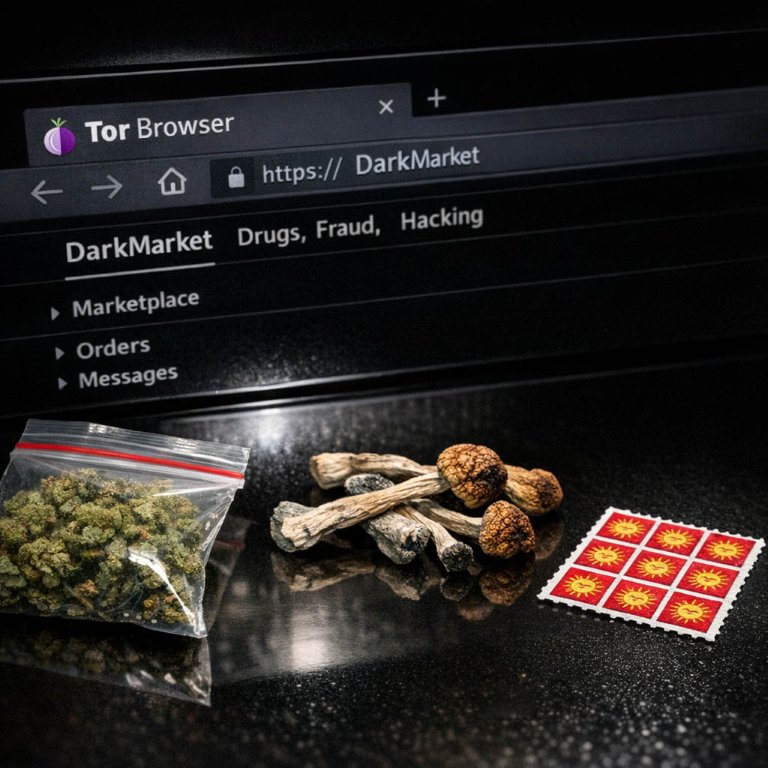
How Reviews Make Shopping on the Darknet Safer
User reviews form the essential feedback mechanism that stabilizes darknet commerce. In an environment where legal recourse is absent, a market's reputation is its primary currency. Reviews provide a transparent, crowd-sourced verification system for both product quality and vendor reliability. A seller with consistently high ratings and detailed positive feedback establishes a track record of successful transactions, which directly translates into higher sales volume and the ability to command premium prices.
The content of a review is more critical than the simple star rating. Detailed accounts that mention product purity, accurate weight measurement, and stealth packaging effectiveness offer tangible proof of a vendor's service. This specific information allows potential buyers to make informed decisions, reducing the perceived risk of financial loss or receiving substandard goods. The review system inherently punishes bad actors; a vendor who fails to deliver will quickly accumulate negative feedback, alerting the community and typically leading to a loss of business.
This ecosystem of trust extends to the markets themselves. Forum discussions and review aggregators don't just list dark web market urls; they provide ongoing commentary on a platform's operational stability and administrative integrity. A market known for fair dispute resolution and consistent uptime will be prioritized in community recommendations. Users share updated URLs and access points precisely for these vetted platforms, creating a self-reinforcing cycle where trusted sites attract more users, which in turn generates more data for evaluation. The collective intelligence of the user base, therefore, directly guides others to fresh links for stable sites, ensuring a smoother shopping experience rooted in empirical evidence rather than anonymous promotion.
How the Darknet Stays Up and Running
The operational resilience of the darknet is a direct function of its decentralized architecture. Unlike traditional web services that rely on a single server or data center, darknet markets operate on a distributed network. This structure means there is no central point of failure for authorities to target. If one node or server is taken offline, the network automatically reroutes traffic through other available pathways, maintaining overall accessibility. The core technology enabling this is Tor (The Onion Router), which encrypts and bounces user connections through multiple volunteer relays globally, effectively anonymizing both the site's location and the user's access point.
This resilience is further reinforced by the market ecosystem's adaptability. When a specific market URL becomes known and potentially compromised, administrators can swiftly generate and disseminate new .onion addresses. This process is facilitated by dedicated forums and link repositories, which act as a dynamic directory. The community's reliance on these trusted user reviews and forums creates a self-policing mechanism where only stable, functional links gain prominence, while phishing sites or unstable platforms are quickly identified and avoided. The continuous generation of fresh links is a standard operational security procedure, not a sign of weakness, ensuring a smooth shopping experience for users.
Hosting services play a critical role in this persistence. Specialized bulletproof hosting providers, often in jurisdictions with lax cyber enforcement, offer infrastructure with a high degree of tolerance for content. These services are financially motivated to resist takedown requests, providing a stable base for market servers. Combined with the use of cryptocurrencies, which provide a decentralized and pseudonymous financial layer, the entire system from discovery to transaction is designed for persistence. The ecosystem thrives because its componentsdistribution, hosting, and financeare all built on principles of redundancy and anonymity, making a permanent eradication through conventional means technically and logistically challenging.

How Hosting Keeps Darknet Trade Flowing
The operational stability of a darknet market is fundamentally dependent on its hosting infrastructure. Unlike conventional websites, these platforms require specialized services that prioritize anonymity and resistance to takedowns. This is achieved through a combination of bulletproof hosting providers and decentralized technologies.
Bulletproof hosting services operate in jurisdictions with lax cybercrime enforcement or ambiguous laws. These providers maintain a policy of non-cooperation with international law enforcement requests, effectively shielding market servers from seizure. This allows for the continuous uptime necessary for trade. The technical setup often involves:
- Frequent server migration across global data centers
- Implementation of robust DDoS protection to mitigate attacks from competitors
- Use of encrypted communication channels between server nodes
Furthermore, the ecosystem is evolving towards more resilient models. Some markets now utilize peer-to-peer architectures or integrate with decentralized networks like Tor or I2P at a deeper level. In these systems, there is no single server to target; the market's functionality is distributed across the users' own connections. This approach significantly enhances longevity. The practical benefit for the user is a smooth shopping experience with minimal disruption, as link rot is mitigated by underlying service stability. When a primary URL is compromised, the distributed nature of the hosting often allows a backup domain to activate seamlessly, ensuring access to funds and order histories remains intact.
How Decentralization Keeps Darknet Markets Open for Business
A decentralized architecture is the primary reason darknet markets remain accessible despite individual site takedowns. This system distributes the network's core functions, preventing a single point of failure. When a specific market URL is seized, the overall ecosystem persists because its operational components are not centralized in one location.
The hosting infrastructure itself is distributed across numerous servers globally, often utilizing bulletproof hosting services in jurisdictions with lax enforcement. This geographical and legal dispersion makes coordinated shutdowns by authorities logistically challenging and slow. Furthermore, market listings and vendor storefronts are frequently mirrored or backed up, allowing them to rapidly reappear on new domains.
For the user, this translates directly to a more stable shopping experience. The process of finding a fresh link is streamlined by dedicated forums and link review sites, which act as a decentralized directory service. These platforms aggregate verified URLs and provide real-time status updates. The continuity of trade is maintained because the community and its trust mechanismsprimarily user reviews and vendor reputationare separate from any single website's domain name.
Key advantages of this model include:
- Resilience: The removal of one node does not collapse the network.
- Redundancy: Critical data like vendor reputations and product listings are duplicated across the ecosystem.
- Adaptability: New market URLs can be propagated quickly through established communication channels.
Ultimately, decentralization ensures that the mechanisms for finding reliable markets, assessing vendor trust through feedback, and completing transactions are preserved independently of the fleeting availability of any specific darknet web address.
How the Darknet Builds Trust for Reliable Trade
The darknet market ecosystem is a self-sustaining network where stability and access are maintained through a combination of decentralized information hubs and community-driven verification. Finding fresh, operational market links is a fundamental first step, facilitated by specialized forums and link aggregation sites. These platforms act as real-time directories, crowdsourcing updates to bypass the frequent domain seizures and DDoS attacks that challenge market longevity.
Once a valid URL is secured, the user enters an environment built on transactional trust. Vendor reviews and detailed feedback are the cornerstone of this trust, creating a transparent reputation system. Buyers meticulously document their experiences with product quality, shipping speed, and stealth packaging, which directly influences vendor visibility and sales. This peer-review mechanism effectively regulates market quality and vendor behavior more reliably than any central authority.
The technical backbone that keeps these platforms online relies on resilient hosting services and often blockchain-based escrow. Markets utilize bulletproof hosting providers and leverage the decentralized nature of the Tor network to maintain uptime. The escrow system, typically automated through smart contracts, holds funds in reserve until the buyer confirms satisfactory receipt of goods, protecting both parties and ensuring the smooth flow of commerce. This combination of social and technical structuresfrom link sharing to final release of fundscreates a robust, adaptive, and user-empowered ecosystem for efficient trade.