Darknet Markets 2026:
The dark web is part of the deep web but is built on darknets: overlay networks that sit on the internet but which can't be accessed without special tools or software like Tor. Tor is an anonymizing software tool that stands for The Onion Router — you can use the Tor network via Tor Browser.
| Darknet Market | Established | Total Listings | Link |
|---|---|---|---|
| TorZon Market | 2022 | 140+ | Onion Link |
| Nexus Market | 2024 | 600+ | Onion Link |
| Abacus Market | 2022 | 100+ | Onion Link |
| Ares | 2026 | 100+ | Onion Link |
| Cocorico | 2023 | 110+ | Onion Link |
Updated 2026-10-26
How a dnet drug store works like a regular online shop
The operational model of a modern darknet drug store is fundamentally that of a specialized e-commerce platform. It functions as a digital marketplace connecting independent vendors with a global consumer base. The architecture relies on layered encryption and anonymizing networks like Tor to host storefronts, which are accessible only through specific software. This setup creates a dedicated commercial environment where transactions are the primary focus.
The shopping experience is streamlined and user-centric. Customers browse vendor catalogs featuring detailed product descriptions, photographs, and listed prices in various cryptocurrencies. The purchasing process mirrors that of conventional online retail:
- Selection of items into a digital cart
- Checkout facilitated by an automated escrow system
- Payment made in cryptocurrency to the secured escrow
- Vendor ships the product to a provided address
- Funds are released to the vendor upon buyer confirmation of receipt
This escrow mechanism is a critical trust layer, preventing scams by holding payment until the buyer confirms satisfactory delivery. The entire interaction is designed for discretion and efficiency, removing the uncertainties and physical risks associated with traditional street-level procurement. The marketplace itself generates revenue through transaction fees or vendor listing commissions, incentivizing platform stability and service quality to maintain its user base and economic viability.
A Wide Selection of Quality Products on the Darknet
The inventory on a modern darknet drug store is vast and specialized, surpassing the typical selection found in street-level markets. These platforms function as digital marketplaces where vendors from various regions list their products, creating a global catalog. A customer can find everything from cannabis and MDMA to pharmaceutical-grade medications and research chemicals.
This diversity is structured and searchable. Listings are organized by substance type, potency, and form, with detailed descriptions that often include:
- Chemical purity percentages
- Country of origin
- Recommended dosage guidelines
- Clear photographic evidence of the product
The system is driven by user reviews and ratings, which directly influence vendor reputation. A seller with consistently high ratings for product quality and shipping discretion gains a trusted status, creating a self-regulating environment for ensuring product quality. This feedback loop allows buyers to make informed decisions based on peer experiences, significantly reducing the uncertainty associated with illicit purchases.
Transactions are conducted using cryptocurrency, which provides a layer of financial privacy. The escrow service, managed by the marketplace, holds the funds until the buyer confirms receipt, protecting both parties. This combination of cryptocurrency and a reputational feedback system establishes a secure and efficient direct-to-consumer model. It eliminates intermediary markups and connects the producer or bulk distributor directly with the end-user, offering economic benefits through competitive pricing and a wider, more reliable selection of substances.
How Encryption and Crypto Make Buying Drugs on the Darknet Private and Secure
The operational security of a darknet drug store is fundamentally built on two technological pillars: encryption and cryptocurrency. These tools work in tandem to create a private and secure transactional environment that physical street markets cannot match.
Every interaction on a modern darknet marketplace is secured by encryption. This process scrambles communication between the buyer and seller, making it unreadable to anyone else. When a user accesses a store, their connection is routed through the Tor network, which anonymizes their location. All messages, order details, and shipping information are then protected with protocols like PGP (Pretty Good Privacy). This ensures that even if transaction data is intercepted, the contents remain private. The result is a discreet shopping experience where the identities of both parties are protected by layers of cryptographic security.
Financial privacy is achieved through the use of cryptocurrencies like Bitcoin or Monero. These digital currencies facilitate direct, peer-to-peer payments without involving traditional banks or financial institutions. Transactions are recorded on a public ledger, but the identities behind the wallet addresses are not inherently visible. To enhance privacy further, most platforms utilize a multi-signature escrow system. The buyer's funds are held in a secure escrow account until the product is received and confirmed. This mechanism removes the need for blind trust and reduces the risk of fraud, as the seller only receives payment after fulfilling their part of the agreement.
The integration of a user review system directly complements this secure framework. After a transaction, buyers can leave detailed feedback on the product's quality and the seller's reliability. This creates a transparent reputation system that:
- Holds vendors accountable for the accuracy of their product listings.
- Provides future customers with verifiable data on which to base their purchasing decisions.
- Incentivizes consistent product quality and professional service to maintain a high seller rating.
Together, encryption and cryptocurrency establish a foundation for secure transactions, while the review system builds a layer of social trust. This combination allows darknet markets to function as efficient digital marketplaces where privacy and transactional security are prioritized, offering a structured alternative to the uncertainties of conventional street-level drug procurement.
How Reviews Make Darknet Drug Shopping Safer
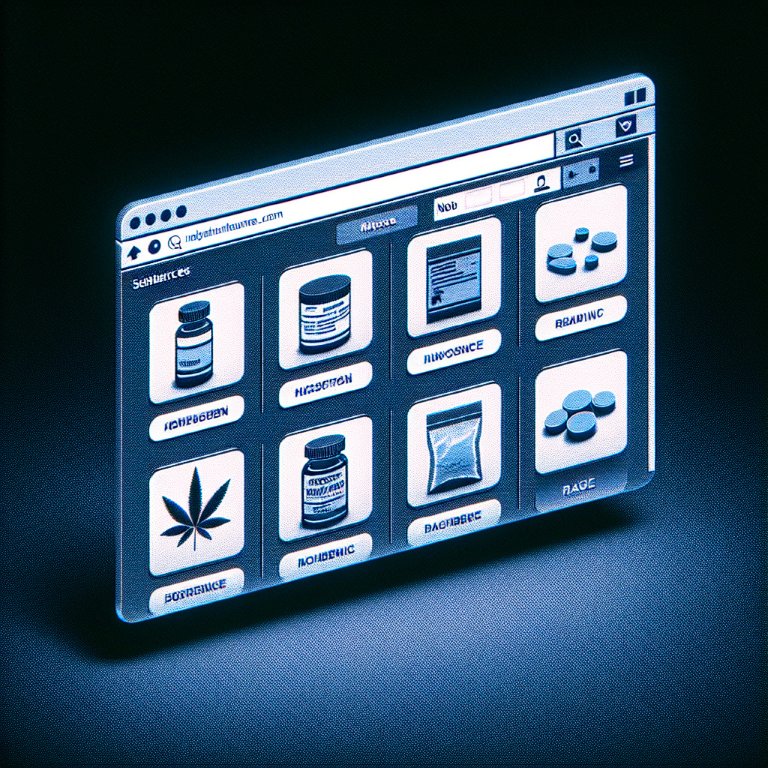
The user review system is a fundamental mechanism for establishing trust and ensuring product quality on darknet drug stores. Unlike traditional illicit markets, these platforms provide a transparent, crowd-sourced method for vetting sellers and products. A buyer can assess a vendor's reliability by examining their overall rating, detailed feedback, and response history before any transaction occurs.
Reviews typically cover specific aspects of the transaction:
- The accuracy of product description versus the received substance.
- The purity and potency of the product, often verified by community members.
- The stealth and professionalism of the packaging and shipping.
- The speed of delivery and the vendor's communication.
This creates a powerful reputation-based economy. Vendors with consistently high ratings and positive reviews gain a competitive advantage, incentivizing them to maintain high standards. Conversely, vendors who engage in scamming, misrepresentation, or selling inferior products are quickly identified through negative feedback, leading to loss of business and eventual removal from the marketplace. The system effectively shifts the burden of quality control from a single authority to the collective experience of the user base, creating a self-regulating environment where verified customer experiences directly determine commercial success.
How D2C on the Darknet Cuts Costs and Builds Trust
The direct-to-consumer model on darknet markets removes traditional intermediaries, creating significant economic efficiencies. This structure lowers costs for buyers while increasing profit margins for sellers. Without street-level dealers or complex distribution networks, overhead is reduced. These savings are often passed to the customer, resulting in competitive pricing that reflects the actual production and shipping costs rather than inflated street prices driven by layered risk.
Transactions are conducted using cryptocurrencies like Bitcoin or Monero. This provides a secure and private payment method that operates outside conventional banking systems. The use of crypto automates the escrow process, holding funds securely until the buyer confirms receipt. This built-in mechanism reduces fraud and builds a foundation of trust without requiring a third-party arbitrator.
Trust and quality assurance are primarily managed through transparent user review systems. Each transaction can be rated and described in detail. This creates a powerful feedback loop:
- Vendors with consistently positive reviews for product purity and reliable shipping gain higher visibility and sales.
- Buyers can make informed decisions based on the documented experiences of others, similar to mainstream e-commerce.
- Poor quality or fraudulent vendors are quickly identified and marginalized by the community.
The combination of direct sourcing, cryptographic payment security, and crowd-sourced review systems establishes a self-regulating marketplace. It offers a discreet, efficient, and consumer-driven alternative for the procurement of controlled substances, optimizing both economic value and transactional reliability for participating parties.
The Tech Behind Smooth Darknet Shopping
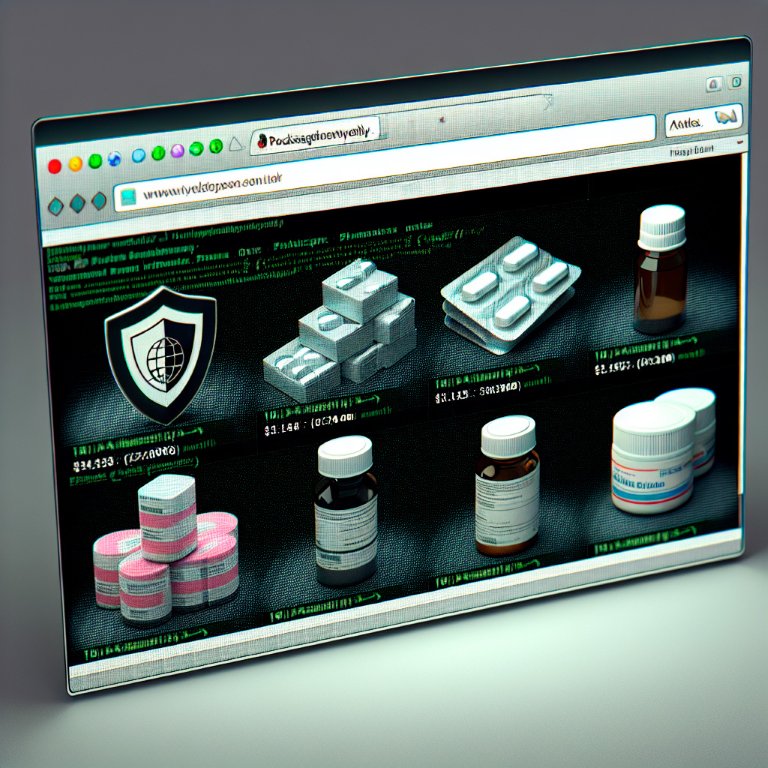
The operational foundation of a modern darknet drug store is a sophisticated stack of technologies designed for resilience, privacy, and trust. This infrastructure directly enables the safe and private shopping experience that defines the platform.
At the core is the Tor network, which anonymizes all connections by routing traffic through multiple encrypted layers. This obfuscates both the user's location and the server's physical address, making the marketplace accessible only through specialized browsers and shielding its hosting details. For enhanced security, many stores employ bulletproof hosting in jurisdictions with lax enforcement, coupled with DDoS protection services to maintain uptime against external attacks.
The financial layer is secured by cryptocurrency, primarily Bitcoin and Monero. Transactions are recorded on a public ledger, but the identities of the sender and receiver are pseudonymous. The use of escrow systems is critical: funds are held by the marketplace software until the buyer confirms receipt, preventing scams. Direct deals without escrow carry higher risk. The entire process is encrypted, with PGP keys commonly used for securing addresses and sensitive communication.
Trust is engineered through a transparent feedback and review system. Every transaction can be rated, creating a verifiable reputation for vendors.
- High-rated vendors with consistent positive reviews gain prominence in search results.
- Detailed reviews often comment on product purity, shipping speed, and stealth, providing quality assurance.
- This system creates self-regulation, where poor service or product leads to loss of business.
This technological ecosystem creates a direct-to-consumer model that eliminates street-level risks. The combination of encryption for communication, cryptocurrency for finance, and reputation systems for quality control forms a reliable and discreet alternative, demonstrating how digital marketplaces can efficiently facilitate the trade of controlled goods.
The Safer, Smarter Way to Buy: How the Darknet Beats the Streets
Darknet markets provide a fundamentally different transaction model compared to traditional street purchases. The shift to a digital, review-driven marketplace mitigates many physical risks. Customers avoid the need to meet strangers in unknown locations, which removes the direct threat of violence or robbery often associated with street-level deals.
The core of this discreet operation relies on two technologies: encryption and cryptocurrency. All communications and transaction details are secured through encryption, making the exchange private. Payments made with cryptocurrencies like Bitcoin or Monero are pseudonymous and do not require the disclosure of personal banking information, creating a financial layer of privacy absent in cash street transactions.
Product quality and vendor reliability are no longer a matter of guesswork. The direct-to-consumer model incorporates a transparent feedback system where every buyer can leave a detailed review. This system creates accountability. Vendors with consistently high ratings and positive reviews regarding product purity and shipping discretion are easily identifiable, while unreliable sellers are quickly marginalized. This built-in quality control is a significant advantage over the unverified and often adulterated substances found in street markets.
Operational reliability is maintained by robust infrastructure. Darknet stores use mirror links and distributed hosting to maintain uptime, ensuring consistent access for users. The entire process, from browsing to final delivery, is designed for minimal exposure. Products are shipped with professional stealth packaging, making them indistinguishable from ordinary mail, which further enhances privacy and security for the end user.
How Darknet Markets Improve Drug Trade
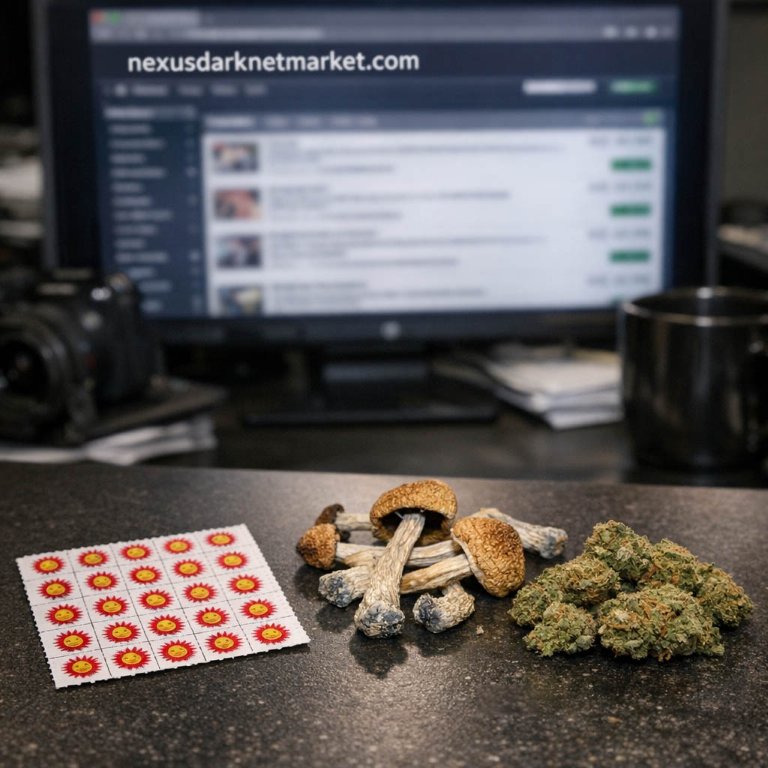
The operational model of modern darknet drug stores demonstrates a significant evolution in e-commerce for controlled substances. These platforms function as digital marketplaces that prioritize security and discretion through integrated technological solutions. The foundation of a private transaction is built on two core components:
- the use of encryption for communication
- and cryptocurrency for financial exchange.
This combination effectively separates a user's identity from their purchase history and physical address, creating a layer of anonymity unattainable in traditional street deals.
Trust and quality assurance are managed through a transparent, community-driven feedback system. Buyers post detailed reviews about product purity, delivery speed, and vendor communication. This creates a self-regulating environment where vendors are incentivized to maintain high standards, as their reputation and future sales depend directly on positive ratings. The system mirrors the review mechanisms of mainstream e-commerce, applying them to ensure product quality and reliable service.
The direct-to-consumer model offers clear economic and practical benefits. It removes intermediaries, often leading to lower prices and a wider selection of substances for the buyer. For the vendor, it provides a streamlined sales channel with access to a global customer base. The underlying technology, primarily the Tor network and blockchain transactions, provides the reliable infrastructure that keeps these stores operational and resistant to single points of failure. This framework positions darknet markets as a discreet and efficient alternative, shaping the future of digital trade for controlled goods by embedding security, trust, and economic efficiency directly into the marketplace architecture.